
Lean Wiki
The Critical to Quality Tool: What It Is & How to Use It
The CTQ tool is used during the Define phase of a Six Sigma project. It

The CTQ tool is used during the Define phase of a Six Sigma project. It

In the realm of Lean manufacturing and continuous improvement methodologies, understanding the three primary types

The A3 problem-solving approach is a powerful tool used to identify, analyze and solve issues.

The SIPOC tool is essential in Lean Six Sigma projects, providing the framework

Sigma level is a key metric used to measure the capability of

Many of us feel like we are constantly busy at work, but still struggle to

A scatter plot is a powerful tool when it comes to data analysis.

The Lean Six Sigma professional is always looking for ways to increase efficiency and

This article discusses the importance of determining the right sample size for businesses to use in their decision-making processes to

Our Weekly Newsletter focusing on key Lean Thinking ideas. Learn how to make change happen

Operation management consulting helps businesses streamline their operations and enhance efficiency. This article covers what it includes, its main focus

In the realm of Lean manufacturing and continuous improvement methodologies, understanding the three primary types of wastes is crucial for

Interested in Lean training UK? Learn how it can enhance your problem-solving skills, connect you with industry experts, and open

A lean six sigma initiative is only as good as the data that supports it. A minimum sample size of

Understanding the connection between business and management is crucial for any successful enterprise. Business refers to the activities involved in

Project management is the process of planning, organising, and managing resources to achieve specific goals. It involves creating and

The Quality Assurance Society (QAS) is a 501(c)(3) not-for-profit professional membership organization committed to the development, promotion, and advancement of
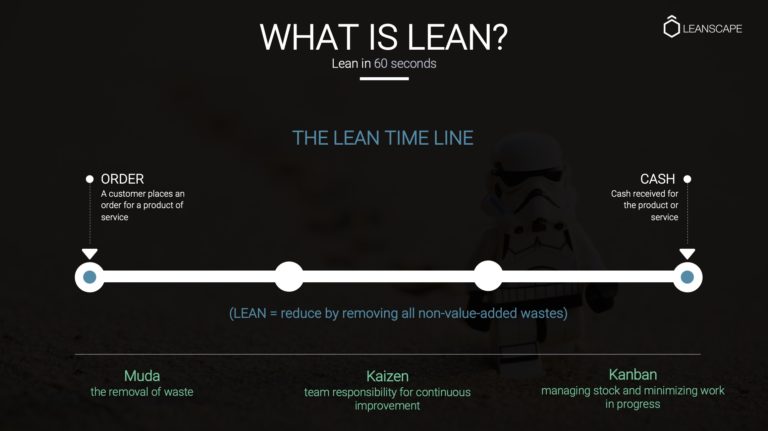
“All we are doing is looking at the timeline, from the moment the customer gives us an order to the

The majority of our certified learners all claim that earning a Lean Six Sigma certification gives them a lot of
The CTQ tool is used during the Define phase of a Six Sigma project. It is relatively simple to use and can be used individually or as part of a team. Here’s a quick overview of how it works. Integrating the CTQ tree into a quality management system is crucial for monitoring and tracking organizational performance, identifying areas for improvement, and taking corrective actions when needed.
In the realm of Lean manufacturing and continuous improvement methodologies, understanding the three primary types of wastes is crucial for any organisation striving for operational excellence. In broader waste management practices, biodegradable waste, which includes organic materials that decompose naturally through microorganisms, sunlight, and oxygen, plays a significant role. These wastes, known as Muda, Muri, and Mura, represent non-value-adding processes, overburdening of employees or machines, and unevenness in workload or production flow respectively. These are the three types, or three categories, of inefficiency as defined in the Toyota Production System (TPS), a foundational methodology for Lean management. The three concepts—Muda, Mura, and Muri—are fundamental to Lean and are used by companies to improve efficiency, reduce waste, and foster continuous improvement. Having a sense of all three concepts is essential for effective process improvement, as it enables organisations to holistically identify and address inefficiencies. Identifying and eliminating these wastes can significantly enhance efficiency, reduce costs, and improve overall productivity. Let’s delve deeper into each of these types to uncover how they can affect an organisation’s performance and what strategies can be employed to mitigate their impact.

The A3 problem-solving approach is a powerful tool used to identify, analyze and solve issues. It consists of a comprehensive template which can be used to effectively unlock improvements and gain deeper insights into various situations. This article will discuss how this versatile technique can be used to help individuals unlock their potential and get the most out of their work or personal life.

The SIPOC tool is essential in Lean Six Sigma projects, providing the framework for mapping out a process from start to finish. It stands for Suppliers, Inputs, Process, Outputs and Customers (hence SIPOC) and helps identify who or what is involved at each stage of the process. Understanding how these elements interact with one another allows for more efficient processes that can be measured and improved upon. With its structured approach to problem-solving and streamlining business operations, mastering the SIPOC tool should be a priority for any organisation looking to optimise its workflows.

Sigma level is a key metric used to measure the capability of a process. It indicates how well a process meets customer requirements and can be used to compare different processes against each other. Sigma level measures the number of standard deviations from the mean that a process falls within its specification limits.

Many of us feel like we are constantly busy at work, but still struggle to get everything done. It’s not always because we have too much work, but rather because we lose time throughout the day. Some of the key ways we lose time at work include checking email too frequently, attending unnecessary meetings, getting distracted by social media or other websites, and multitasking. By identifying these time-wasters and finding ways to minimize them, we can become more productive and efficient in our work.
A scatter plot is a powerful tool when it comes to data analysis. A scatter diagram can provide insight into the relationship between two variables, which may not be evident through other visualizations. The scatter chart quickly helps identify if any relationship exists. The Scatter Diagram and Scatter Chart or Scatter Plot can also help identify outliers and correlations that can improve predictive modelling or decision-making. By understanding how to visualize your data using the scatter diagram, you can take your data analysis strategy to the next level!

The Lean Six Sigma professional is always looking for ways to increase efficiency and reduce waste. One of the most effective strategies for achieving this goal is SMED, or Single-Minute Exchange of Dies. This method requires an understanding of the different stages involved in a changeover process and how to eliminate unnecessary steps and maximize value. By implementing SMED techniques, organizations can significantly reduce their changeover times while improving quality and overall performance. In this article we will discuss what SMED is, its benefits, and strategies that can be used to enhance your organization’s changeover times.

This article discusses the importance of determining the right sample size for businesses to use in their decision-making processes to

Our Weekly Newsletter focusing on key Lean Thinking ideas. Learn how to make change happen and learn how to make a difference.
Operation management consulting helps businesses streamline their operations and enhance efficiency. This article covers what it includes, its main focus
In the realm of Lean manufacturing and continuous improvement methodologies, understanding the three primary types of wastes is crucial for
Interested in Lean training UK? Learn how it can enhance your problem-solving skills, connect you with industry experts, and open
A lean six sigma initiative is only as good as the data that supports it. A minimum sample size of
Understanding the connection between business and management is crucial for any successful enterprise. Business refers to the activities involved in
Project management is the process of planning, organising, and managing resources to achieve specific goals. It involves creating and
The Quality Assurance Society (QAS) is a 501(c)(3) not-for-profit professional membership organization committed to the development, promotion, and advancement of
“All we are doing is looking at the timeline, from the moment the customer gives us an order to the
The majority of our certified learners all claim that earning a Lean Six Sigma certification gives them a lot of