
Lean Business Model
What is the Affinity Diagram?
An affinity diagram, also known as a K-J diagram, is a tool used in project


An affinity diagram, also known as a K-J diagram, is a tool used in project

The Two Proportion Z Test is a statistical method used to determine if there is

How to Read a 100% Stacked Bar Chart A 100% stacked bar chart is a graph that shows the

he 1 Sample Sign Test is a statistical test used to determine whether or not there is a statistically significant

The one proportion test is a statistical test used in Six Sigma and other process improvement methodologies to determine whether

As a business professional, you always look for ways to reduce costs and increase efficiency.

Failure Mode and Effects Analysis (FMEA) is a systematic approach used to identify potential failures in a process, product, or

The Pareto principle, also known as the 80/20 rule, is a concept that states that

Lean methodology has become increasingly popular in recent years, and for good reason. One of the key benefits of using

When it comes to decision-making, having an understanding of lean principles can be incredibly beneficial. By focusing on efficiency, waste

Lean Lifestyle Design is a philosophy that emphasises simplicity, efficiency, and sustainability when it comes to one’s lifestyle choices. It’s

The Pareto principle, also known as the 80/20 rule, is a concept that states that roughly 80% of effects come

A short article on the impact of our smartphones on our lives
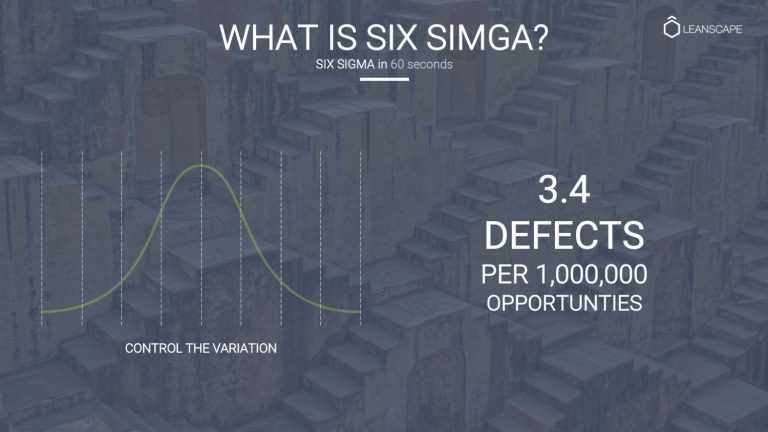
The main difference between Lean and Six Sigma is the focus of each. Lean is focused on reducing waste and

Lean Six Sigma is a highly effective and efficient tool for businesses to achieve success. It enables organizations to identify

The 5-Why Problem Solving Technique is an effective way of troubleshooting and problem solving by asking a series of five

An affinity diagram, also known as a K-J diagram, is a tool used in project management and business brainstorming sessions to organize a large number of ideas, opinions, or data points into naturally related groups. This method encourages a comprehensive view of complex issues or problems by sorting disparate ideas into themes or categories. It’s particularly useful when analyzing qualitative data, like survey responses or open-ended questions. The process usually involves writing ideas on cards or sticky notes, then grouping them based on their interrelationships. The affinity diagram helps teams focus on themes and facilitates the decision-making or problem-solving process.

The Two Proportion Z Test is a statistical method used to determine if there is a significant difference between the proportions of two groups. By comparing sample proportions, this test helps to ascertain whether observed differences could arise by chance or reflect actual disparities in the larger populations from which the samples are drawn. It relies on the Z statistic to evaluate the null hypothesis that there is no difference between the proportions. This tool is invaluable in fields such as marketing research, clinical trials, and social sciences, where understanding differences between groups can inform decision-making and strategies.

How to Read a 100% Stacked Bar Chart A 100% stacked bar chart is a graph that shows the

he 1 Sample Sign Test is a statistical test used to determine whether or not there is a statistically significant

The one proportion test is a statistical test used in Six Sigma and other process improvement methodologies to determine whether
As a business professional, you always look for ways to reduce costs and increase efficiency. One way to do this is by implementing lean six sigma practices in your business. Lean six sigma is a methodology that relies on a team of trained professionals to identify and eliminate waste in a business process.

Failure Mode and Effects Analysis (FMEA) is a systematic approach used to identify potential failures in a process, product, or
The Pareto principle, also known as the 80/20 rule, is a concept that states that roughly 80% of effects come from 20% of causes. This principle can be applied to a wide range of fields, from economics and business to personal productivity and time management. Understanding and applying the Pareto principle can help individuals and organizations focus their efforts on the most impactful areas, ultimately leading to greater efficiency and success. Let’s take a closer look at the Pareto principle and how it can be used to optimize results.
Lean methodology has become increasingly popular in recent years, and for good reason. One of the key benefits of using
When it comes to decision-making, having an understanding of lean principles can be incredibly beneficial. By focusing on efficiency, waste
Lean Lifestyle Design is a philosophy that emphasises simplicity, efficiency, and sustainability when it comes to one’s lifestyle choices. It’s
The Pareto principle, also known as the 80/20 rule, is a concept that states that roughly 80% of effects come
A short article on the impact of our smartphones on our lives
The main difference between Lean and Six Sigma is the focus of each. Lean is focused on reducing waste and
Lean Six Sigma is a highly effective and efficient tool for businesses to achieve success. It enables organizations to identify
The 5-Why Problem Solving Technique is an effective way of troubleshooting and problem solving by asking a series of five